Over 10,000 Scrap Tires Collected in BC Through the First Nations Recycling Initiative in 2025
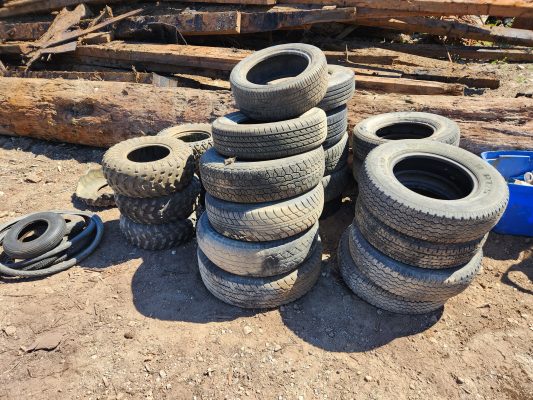
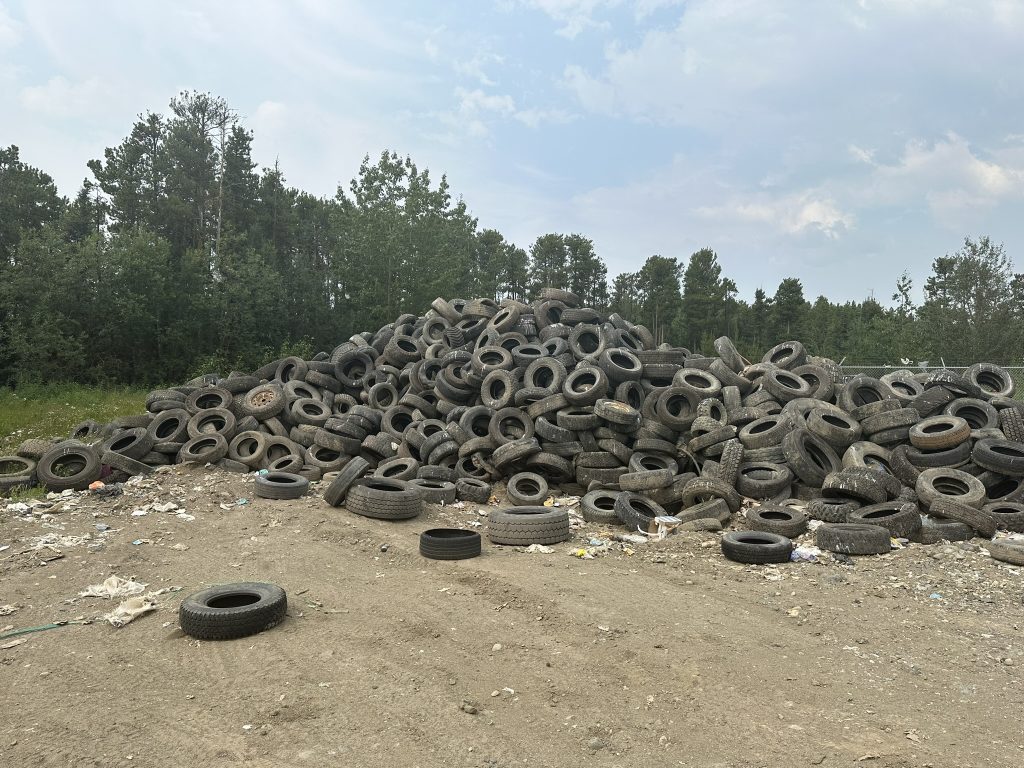
In many First Nations communities, old tires, electronics, batteries, and household hazardous waste has accumulated slowly over the years. Addressing this challenge takes more than a single cleanup, it takes collaboration and long-term commitment.
In 2025, the First Nations Recycling Initiative (FNRI) continued to grow as a province-wide, collaborative effort focused on supporting First Nations communities as they work toward cleaner, healthier environments.
For many communities, removing accumulated Extended Producer Responsibility (EPR) materials requires years of consistent effort, followed by a transition into a maintenance phase that prevents stockpiles from returning.
The FNRI work and efforts focus on:
- Supporting community-led cleanups
- Building local knowledge and leadership
- Helping communities move from large-scale removal to long-term recycling solutions
Collaboration Makes the Difference
The FNRI is a true team effort, bringing together stewardship agencies, recycling organizations, community partners, regional districts, and First Nations communities from across the province. Tire Stewardship BC is proud to work alongside many dedicated organizations, including:
- Indigenous Zero Waste Technical Advisory Group (IZWTAG)
- Stewardship Agencies of BC (SABC)
- Recycle BC
- Health Products Stewardship Association (HPSA)
- Thermostat Recovery Program
- Call2Recycle
- Interchange Recycling
- Product Care
- Canadian Battery Association
- Electronic Products Recycling Association (EPRA)
- Outdoor Power Equipment Institute of Canada (OPEIC)
- Return-It
- Brewers’ Recycled Container Collection Council (BRCCC)
- Major Appliance Recycling (MAR)
Together, these partners help ensure communities have access to the resources, expertise, and support needed to manage a wide range of recyclable materials, including scrap tires.
Related: From Old Tires to New Products: Understanding The Full Life Cycle of a Tire in BC
2025 FNRI Highlights
Throughout 2025, the FNRI team travelled across BC, working directly with communities and regional districts, achieving:
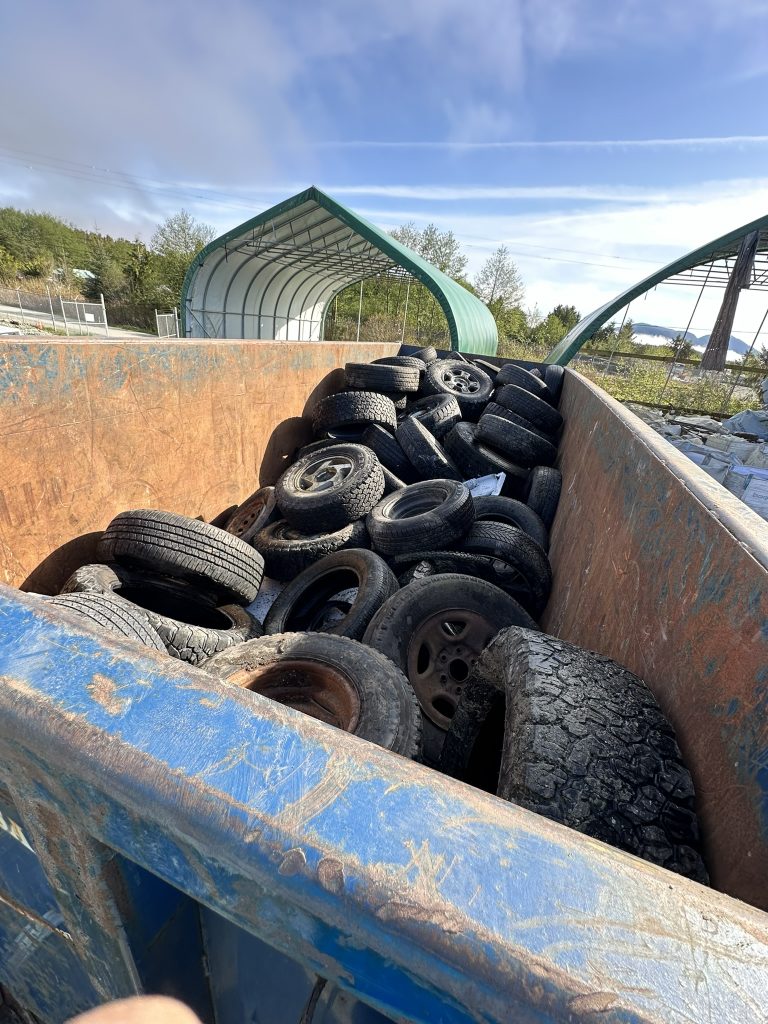
- Over 10,000 tires removed from First Nations communities
- 32 community cleanups supported
- 37 First Nation communities visited
- 14 communities engaged with FNRI for the first time
- 14 returning communities continuing their FNRI journey
- 11 Regional Districts visited, with 7 actively engaged
The communities that were engaged in 2025 include:
- Telegraph Creek
- Tartslip
- Lil’wat
- Heiltsuk Nation
- Dease River
- Seton Lake
- Ahousaht
- Penticton Indian Band
- Tla’amin
- New Aiyansh (Nass Valley)
- Canim Lake
- Kitasoo
- Kingcome
- T’itq’et
- Nanoose
- Gitwinksihlkw
- Samahquam
- Soowahlie
- Dog Creek
- Canoe Creek
- Takla Landing
- Gingolx
- Laxgaltsap
- Tlesqox
- Tsleil-Waututh Nation
- Gitxaala
- Sakuz First Nation
- Opitsaht
- Tla-o-qui-aht
- Ehattesaht
Why This Work Matters
When scrap tires and other EPR materials are removed from communities, the benefits ripple outward:
- Land and waterways are protected
- Safety risks are reduced
- Communities regain usable space
- Materials are responsibly recycled instead of abandoned
The FNRI is a powerful example of how BC’s tire recycling program supports not only environmental outcomes, but also community wellbeing, collaboration, and reconciliation in action.