5 Things You Should Do When Swapping Your Tires This Spring (That Most People Forget)
You’re already changing your tires–here’s how to do it smarter.
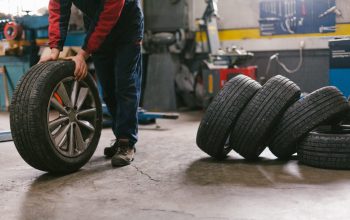
Spring is here and it’s time to book your tire change, but before you pop in for a quick swap-and-go service, there are a few extra steps you can take to improve safety, save money, and reduce waste. This is the best moment to check both sets of tires. Whether you’re taking off your winter tires or putting your all-seasons back on, here are 5 quick things to do before you drive away.

1) Check the tread on both sets of tires
Before the tire change, take a look at the tread on the tires coming off and the ones going on. Spring in BC often means wet roads, and good tread helps maintain traction and reduce the risk of hydroplaning. You can use a quick coin test or look for built-in wear indicators. If your winter tires are looking worn, it might be time to plan for replacements before next season.
2) Inspect your tires for damage or uneven wear
While you’ve got both sets of tires in front of you, check for cracks, bulges, or uneven wear. These can be easy to miss during the winter months but may point to bigger issues like improper inflation or alignment problems. Catching them now can help you avoid more serious (and expensive) problems down the road.
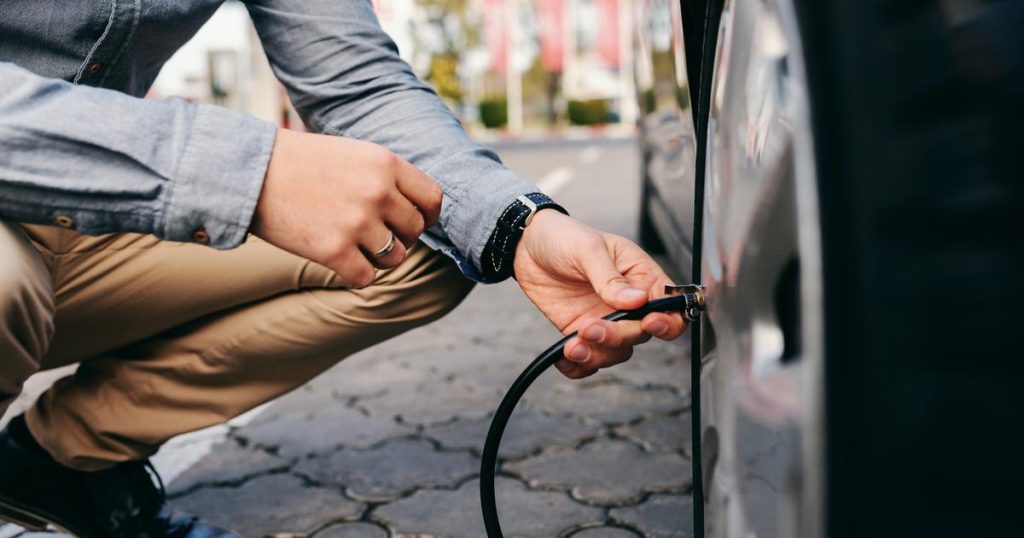
3) Adjust your tire pressure for spring conditions
Once your all-season or summer tires are back on, don’t forget about checking your tire pressure. Colder winter temperatures can cause pressure to drop, and as things warm up, your tires may need adjusting. Check your vehicle’s recommended pressure (usually found on the driver’s door frame) and make sure everything is set correctly. It’s a small step that improves both safety and fuel efficiency.
4) Store your winter tires the right way
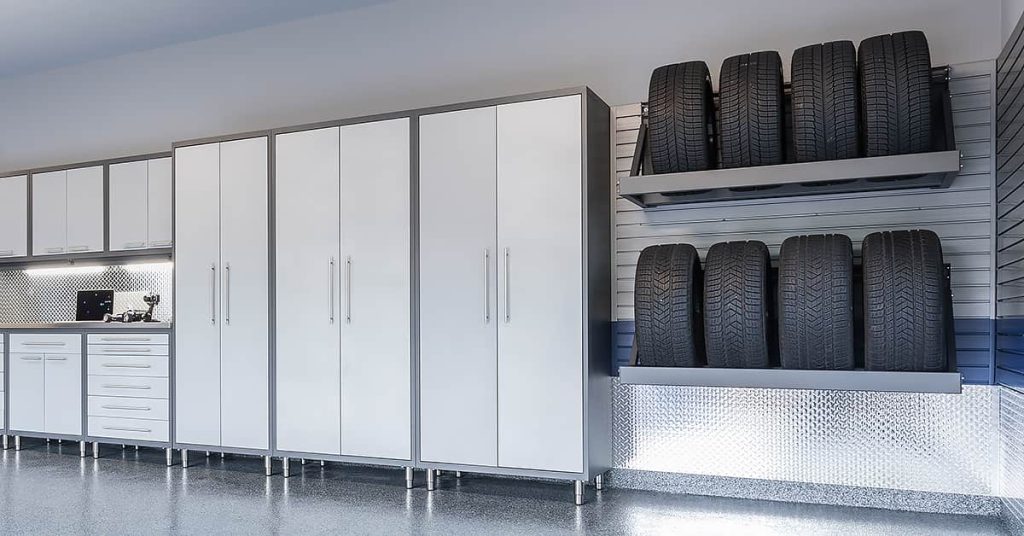
Before you stash your winter tires in the garage or storage locker, give them a little attention. Clean off any dirt or road salt, make sure they’re dry, and store them in a cool, dark place. If they’re on rims, they can be stacked; if not, store them upright. Proper storage helps prevent cracking and extends their lifespan, so they’re ready to go when cold weather returns.
5) Recycle any tires that are worn out
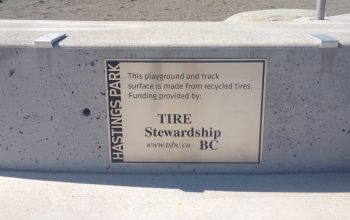
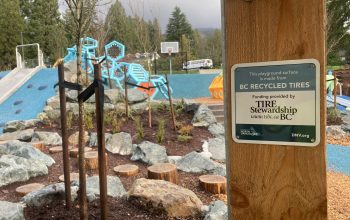
If any of your tires have reached the end of their life, don’t send them to the landfill or leave them sitting around. In BC, tires can be returned to approved locations for recycling. You can leave them at the tire retailer when you buy new tires, take them to a registered return-to-retailer location without a purchase, or bring them to a tire collection event in your community. Your tires can be turned into new products like playground surfaces or athletic tracks, giving them a useful second life instead of going to waste.
Taking a few extra minutes during your spring tire change can go a long way. It’s a simple way to stay safe on the road, get more life out of your tires, and make sure the ones you’re done with are handled responsibly.